


Choosing reliable hydraulic components directly determines the stability, service life and maintenance cost of entire mechanical equipment. Many engineering enterprises only focus on appearance parameters and price when selecting hydraulic cylinders, ignoring hidden structural defects, sealing matching problems and load adaptability, which frequently lead to oil leakage, slow response, insufficient thrust and frequent downtime during actual operation. Most users fail to realize that unreasonable cylinder configuration is the core root of frequent equipment faults, rather than simple daily wear.
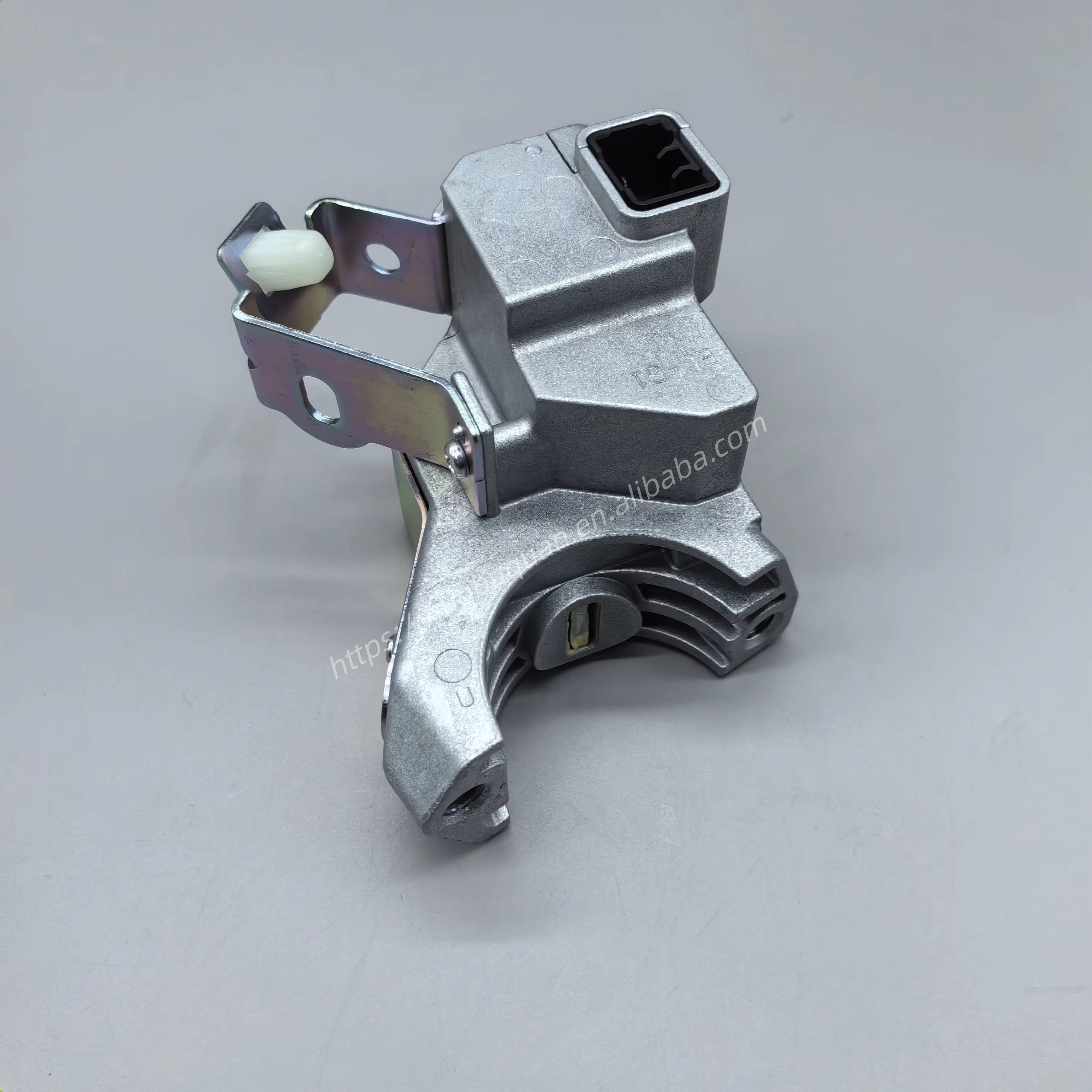
Heavy-duty customized hydraulic cylinders adopt integrated precision machining technology, which fundamentally avoids the common hidden dangers of ordinary thin-walled cylinders. Unlike low-cost rough-processed products, this series strictly controls cylinder barrel roundness, piston concentricity and rod surface hardness, effectively reducing eccentric wear that cannot be observed in short-term tests. Long-time heavy-load, frequent reciprocating and harsh outdoor working environments will not cause premature deformation or internal pressure loss, matching the actual continuous operation needs of construction machinery, metallurgical equipment and lifting machinery.
Many users misunderstand that all hydraulic cylinders have consistent pressure resistance and sealing performance. In fact, mismatched seal materials, unreasonable oil circuit design and unpolished piston rod surface will cause invisible internal leakage. Internal leakage cannot be detected by naked eyes, but it will gradually reduce system power, increase fuel consumption, raise oil temperature and damage the entire hydraulic station. Professional customized hydraulic solutions from Huobuquan Hydraulic Equipment Company solve this long-standing industry pain point through multi-layer combined sealing structure and wear-resistant surface treatment process.
Working temperature fluctuations, dust intrusion and water vapor erosion are typical external factors that shorten cylinder service life. Ordinary hydraulic cylinders only use single-layer dustproof structure, which quickly fails in mine, construction site and wet muddy environments. Dust entering the cylinder body will scratch sealing rings, abrade piston rods and accelerate internal component aging, forming a vicious cycle of repeated replacement and frequent maintenance. High-strength multi-stage protective structure greatly improves environmental adaptability, maintaining stable performance under extreme cold, high temperature, high dust and high humidity complex working conditions.
Equipment failure shutdown caused by hydraulic cylinder problems often brings unexpected production losses. A large number of engineering cases show that low-quality cylinders cause 30%~50% of hydraulic system failures. Unstable thrust output leads to inaccurate mechanical action, safety hazards during lifting operation, and frequent maintenance interrupts construction progress. Selecting structurally optimized, load-matched precision hydraulic cylinders can comprehensively reduce later maintenance frequency, extend overall equipment life and comprehensively improve comprehensive operating efficiency of mechanical systems.
Performance Comparison Between Standard Hydraulic Cylinders & High-Quality Heavy-Duty Cylinders
| Performance Indicator | Ordinary Hydraulic Cylinder | Premium Heavy-Duty Hydraulic Cylinder | Practical Influence On Users |
|---|---|---|---|
| Maximum Continuous Working Pressure | Low rated pressure, easy overload deformation | High bearing pressure, stable under overload impact | Avoid sudden cylinder burst and safety accidents |
| Sealing Service Life | 3–6 months easy aging and leakage | 18+ months stable sealing, no oil leakage | Cut frequent oil replenishment and seal replacement costs |
| Piston Rod Surface Wear Resistance | Easy scratching and rusting | High-hardness plating, anti-corrosion and anti-abrasion | Reduce eccentric wear failure caused by surface damage |
| Environmental Adaptability | Poor dustproof and waterproof performance | Multi-layer protection, adapt to harsh sites | Normal operation in outdoor, muddy and high-dust scenarios |
| Overall Service Cycle | 1–2 years frequent faults | 5+ years stable low-failure operation | Lower comprehensive procurement and maintenance cost cycle |
Deep hidden problems ignored by most buyers include cylinder bore precision matching, rod bending resistance and synchronous operation compatibility. When multiple cylinders work at the same time, poor precision will lead to asynchronous lifting, uneven stress and local overload damage. Bulk customized hydraulic cylinders carry out overall dynamic pressure testing before leaving the factory, ensuring synchronous coordination, stable force output and no deviation during multi-cylinder linkage operation.
Energy consumption optimization is another core value that ordinary products cannot match. Unreasonable internal clearance design increases hydraulic resistance, raises system oil temperature and improves overall power consumption. Precision-finished hydraulic cylinders reduce internal friction loss, lower energy consumption of the entire hydraulic system, help enterprises save electricity and hydraulic oil costs continuously, and bring obvious long-term economic benefits.
Installation adaptability and later maintenance convenience also affect actual use experience greatly. Non-standard customized cylinder models support flexible modification of stroke, installation interface, flange size and connection mode, perfectly matching existing old equipment transformation without large-scale pipeline adjustment. Simple disassembly structure reduces maintenance time, allows on-site quick replacement of vulnerable parts, and minimizes production suspension loss caused by component faults.
In summary, selecting hydraulic cylinders should not only focus on superficial parameters, but pay attention to structural durability, sealing matching, environmental adaptability and full-life operating cost. Reliable heavy-duty hydraulic cylinders solve both obvious faults and hidden long-term risks, providing stable, efficient and low-cost power support for all kinds of heavy mechanical equipment operation, and becoming essential core accessories for safe and efficient engineering production.